A VR adventure puzzle game where players explore a mysterious mechanical world, solving logical and physics-driven puzzles to uncover secrets of an ancient civilization.
The Clockwork Passage transports players into a beautifully crafted steampunk world filled with intricate mechanical puzzles and ancient mysteries. Using VR technology, players physically interact with gears, levers, and ancient mechanisms to progress through the story.
The game combines logical puzzle-solving with physics-based interactions, creating an immersive experience that leverages the unique capabilities of virtual reality. Every puzzle is designed to promote creative problem-solving and spatial reasoning.
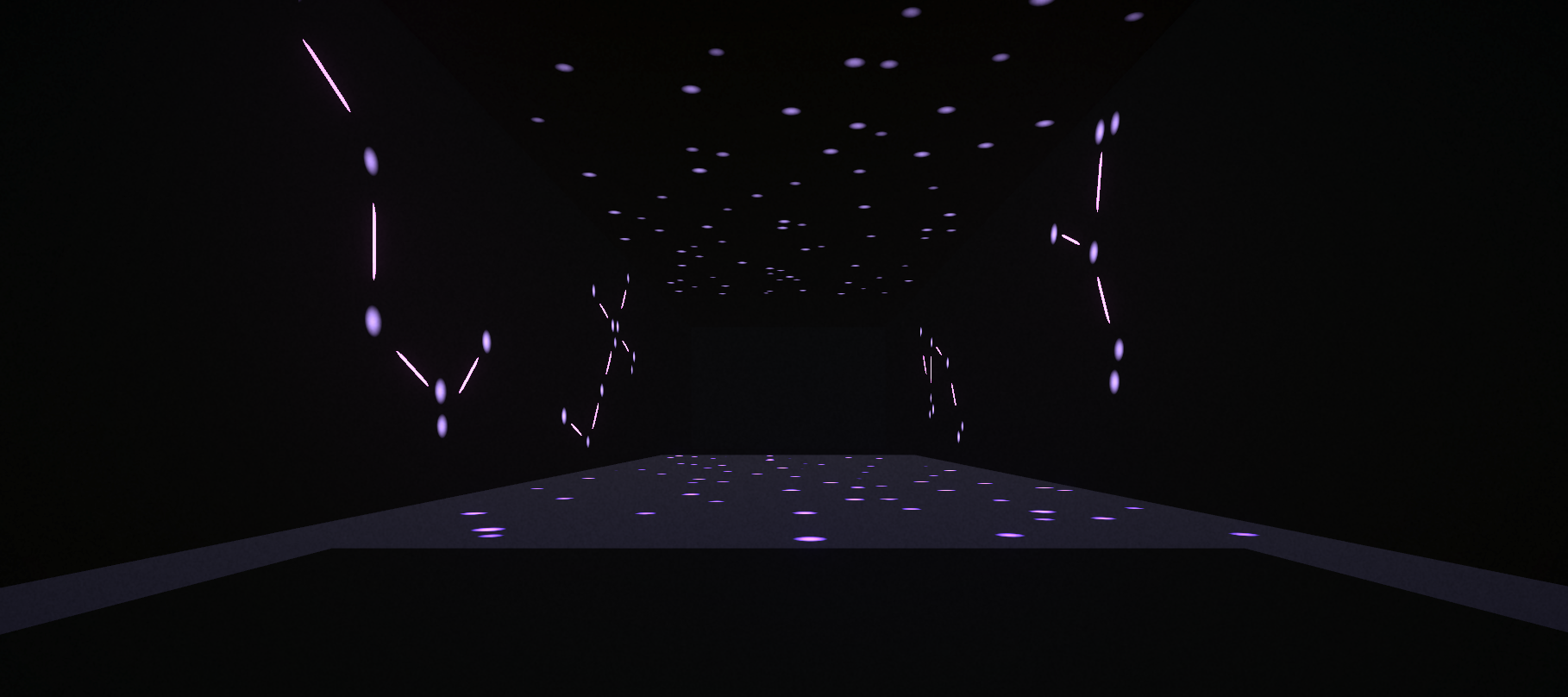
Intricate mechanical puzzles that require careful observation and creative thinking to solve.
Realistic object manipulation with physics-based interactions using VR controllers.
Beautifully crafted steampunk environments with detailed architecture and atmospheric lighting.
Uncover the story of an ancient civilization through environmental storytelling and artifacts.
Original 3D models, textures, and props created specifically for the game world.
Interconnected clockwork mechanisms that respond dynamically to player actions.
Built in Unity with a professional asset and code pipeline, The Clockwork Passage showcases advanced VR development techniques. The interaction system provides realistic physics-based object manipulation while maintaining comfortable VR locomotion and controls.
Level design focused on greyboxing and iterative prototyping to ensure puzzles were both challenging and intuitive. Each puzzle went through multiple rounds of playtesting to refine difficulty and ensure clear visual communication.
All environment art, props, and mechanical elements were created in Blender, then optimized for VR performance. The art direction emphasized a cohesive steampunk aesthetic with copper, brass, and intricate clockwork details throughout.
Narrative storyboards were developed in Clip Studio Pro to plan environmental storytelling beats and ensure the mystery unfolded naturally through exploration. GitHub version control enabled clean asset management and iterative development.
The development process emphasized iterative design and playtesting. Initial greybox prototypes focused on puzzle flow and spatial layout before adding visual polish. This approach allowed rapid iteration on puzzle mechanics without getting bogged down in asset creation.
Environmental storytelling was woven throughout the experience, with each area revealing new pieces of the ancient civilization's history. Visual cues guide players toward puzzle solutions while maintaining the game's mysterious atmosphere.
VR-specific design considerations included comfortable movement options, clear interaction affordances, and puzzle designs that leverage three-dimensional space effectively. Every interaction was tested to ensure it felt natural and intuitive in VR.